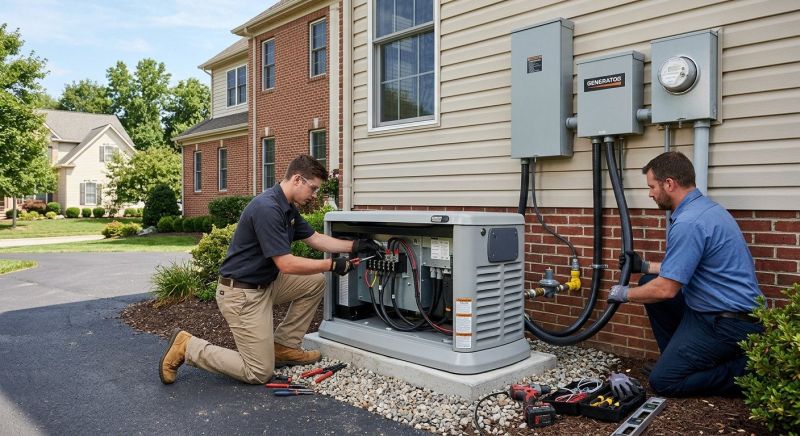
Home Generator Installation in Utah County, UT
Home generator installation services provide property owners with a reliable backup power source to ensure continuous electricity during outages. These systems are designed to automatically activate when the main power supply is interrupted, helping to keep essential appliances, heating or cooling systems, and lighting operational. Projects typically involve selecting the appropriate generator size for the property’s power needs, preparing the installation site, and integrating the system with the existing electrical setup. Homeowners often want to understand the different types of generators available, such as portable or standby models, as well as the key factors influencing installation costs and maintenance requirements.
Before requesting home generator installation, property owners usually seek information on the necessary permits, the compatibility of the generator with their property, and the overall process involved in installation. It’s also common to inquire about the system’s capacity to power specific appliances or circuits, and how the generator will be maintained over time. Understanding these details helps homeowners make informed decisions about the right system for their needs and ensures a smooth installation process.
Many property owners in Utah County, UT look into Home Generator Installation for repairs, replacements, upgrades, and appearance-related improvements.
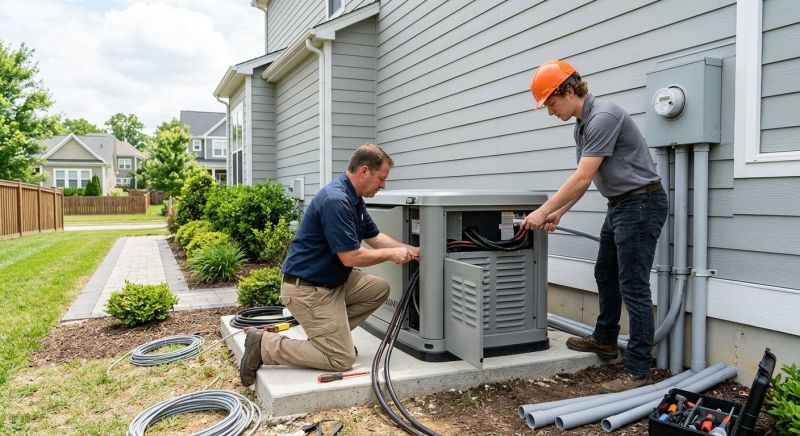
Generator System Types
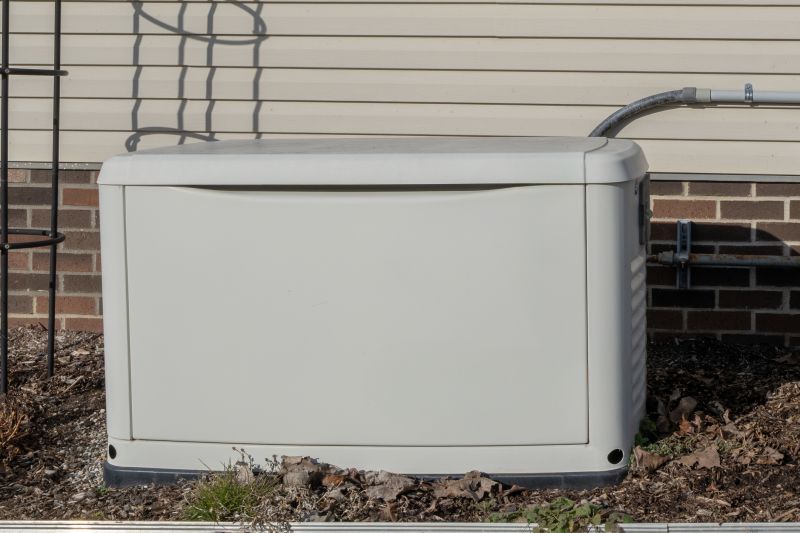
Different generators are available to suit various home sizes and power needs.
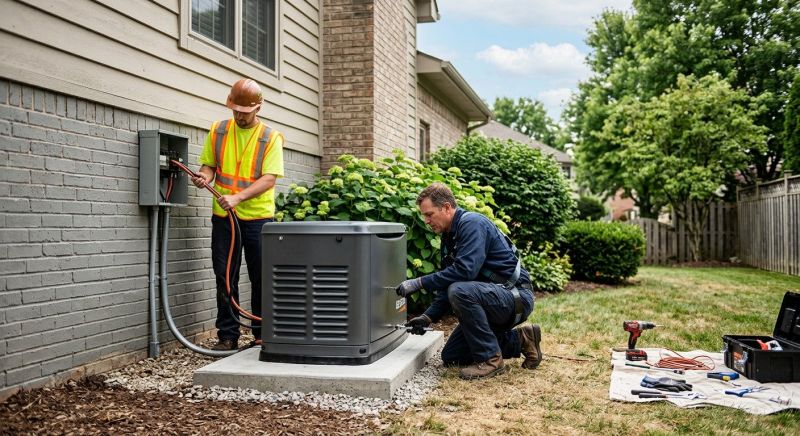
Installation Considerations
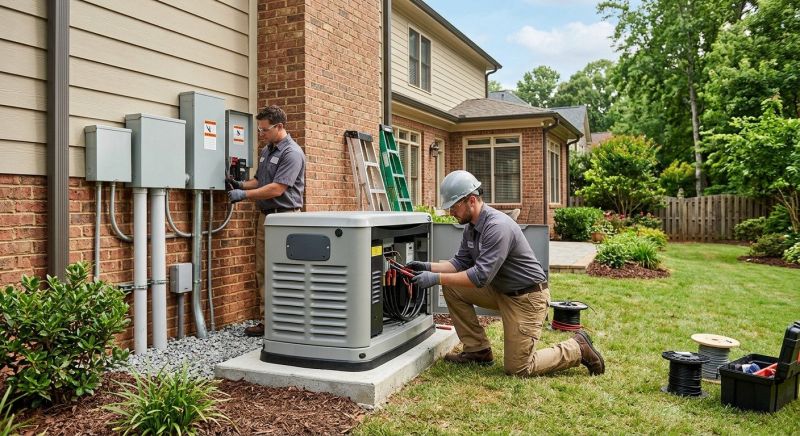
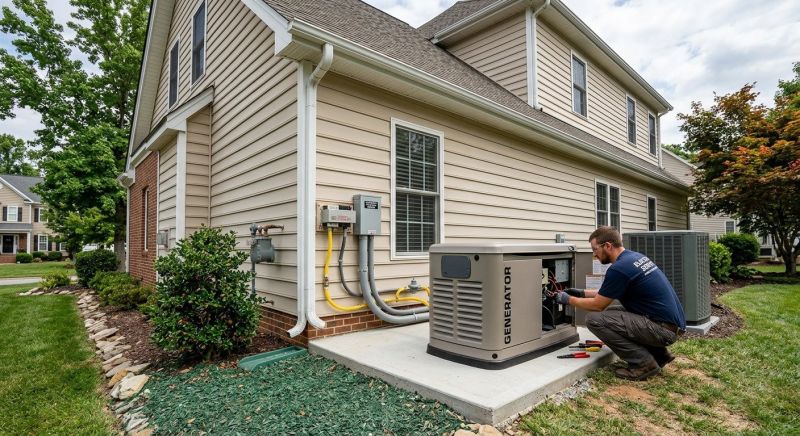
Proper placement and connection are essential for reliable backup power during outages.
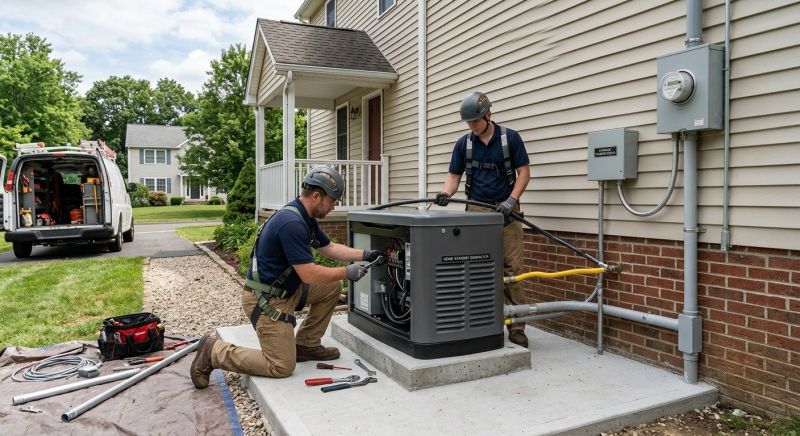
Maintenance & Safety
Regular upkeep ensures your generator operates safely and efficiently when needed most.
Home Generator Installation in Utah County, UT

Home generator installation services provide property owners with a reliable backup power source to ensure continuous electricity during outages. These systems are designed to automatically activate when the main power supply is interrupted, helping to keep essential appliances, heating or cooling systems, and lighting operational. Projects typically involve selecting the appropriate generator size for the property’s power needs, preparing the installation site, and integrating the system with the existing electrical setup. Homeowners often want to understand the different types of generators available, such as portable or standby models, as well as the key factors influencing installation costs and maintenance requirements.
Before requesting home generator installation, property owners usually seek information on the necessary permits, the compatibility of the generator with their property, and the overall process involved in installation. It’s also common to inquire about the system’s capacity to power specific appliances or circuits, and how the generator will be maintained over time. Understanding these details helps homeowners make informed decisions about the right system for their needs and ensures a smooth installation process.
Many property owners in Utah County, UT look into Home Generator Installation for repairs, replacements, upgrades, and appearance-related improvements.
Common Home Generator Installation Jobs
Home generator installation - ensures reliable backup power during outages to keep essential systems running.
Whole-house generators - provide seamless power supply for entire properties, including appliances and HVAC systems.
Portable generator setup - offers flexible power options for specific areas or outdoor use around the home.
Generator transfer switch installation - simplifies switching between utility power and backup power sources.
Standby generator installation - delivers automatic power restoration for homes in areas prone to frequent outages.
Generator system upgrades - enhance existing setups for increased capacity and improved efficiency.
Home Generator Installation Questions
What types of homes are suitable for a home generator? Home generators can be installed in a variety of properties, including single-family homes, townhouses, and some multi-unit buildings, to provide reliable backup power during outages.
How does a generator connect to the home’s electrical system? Generators are integrated with the existing electrical system through a transfer switch, which safely directs power from the generator to the home during outages.
What electrical considerations are involved in installing a home generator? Installation requires assessing the home's electrical load, ensuring proper wiring, and providing adequate power capacity for essential appliances and systems.
What are common reasons homeowners choose a home generator? Homeowners often select generators to maintain power for heating, refrigeration, medical devices, and security systems during outages.
Request Home Generator Installation in Utah County, UT
Use the quote form on this page to share the basics of your project and request more information for the type of work you need.